

A PIONEERING RESEARCH UNIT IN A
WORLD-CLASS ACADEMIC CENTRE
Part of the University of Oxford’s Department of Biology, WildCRU plays a vital role in tackling the world’s biodiversity crisis by combining conservation research with action. Our approach is evidence-based, interdisciplinary and collaborative. Our work underpins conservation strategy, informs project implementation and supports policy change at local and international levels. Our members originate from more than forty countries and our work spans multiple continents, with the overarching aim of delivering positive local impacts for both people and wildlife.
IMPACT HIGHLIGHTS

years of conservation research

countries with active WildCRU programmes

conservation initiatives at national, regional and global levels

Masters, PhD and Diploma students trained
STUDYING WITH WILDCRU
WildCRU is committed to training and supporting the next generation of wildlife researchers and conservationists through Masters, PhD and Diploma programs, alongside collaborative opportunities around the world.
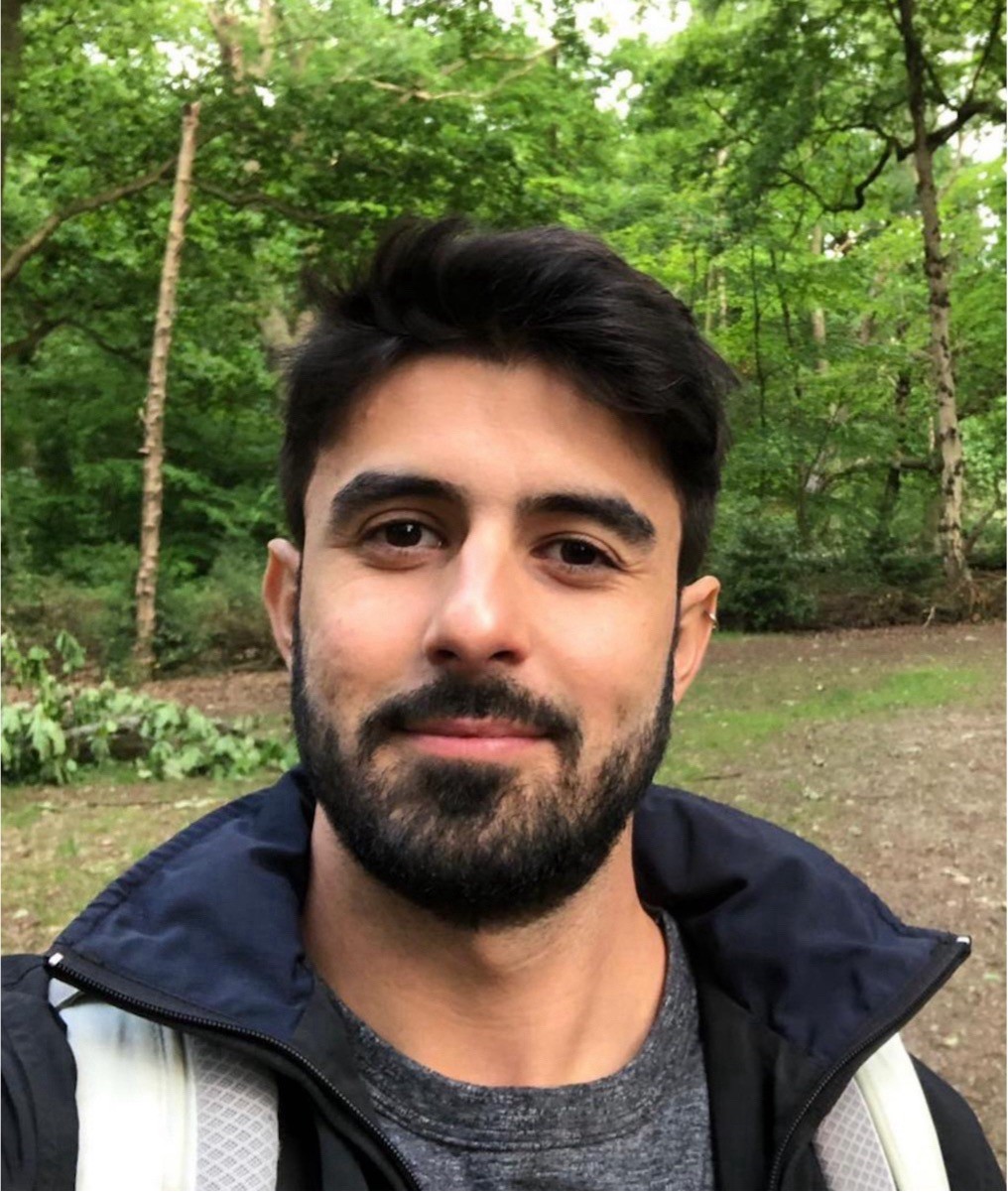
Gui Alvarenga
PhD student
“Since my first day at WildCRU, I have always felt at home. Moving to a different country to join such a renowned group within one of the world’s best universities could have been daunting—and it was. However, I couldn’t have been welcomed more warmly. WildCRU is a vibrant and diverse group of researchers united by the same goal: wildlife conservation—quite literally—across the globe. It’s truly a joy to be part of this team.”
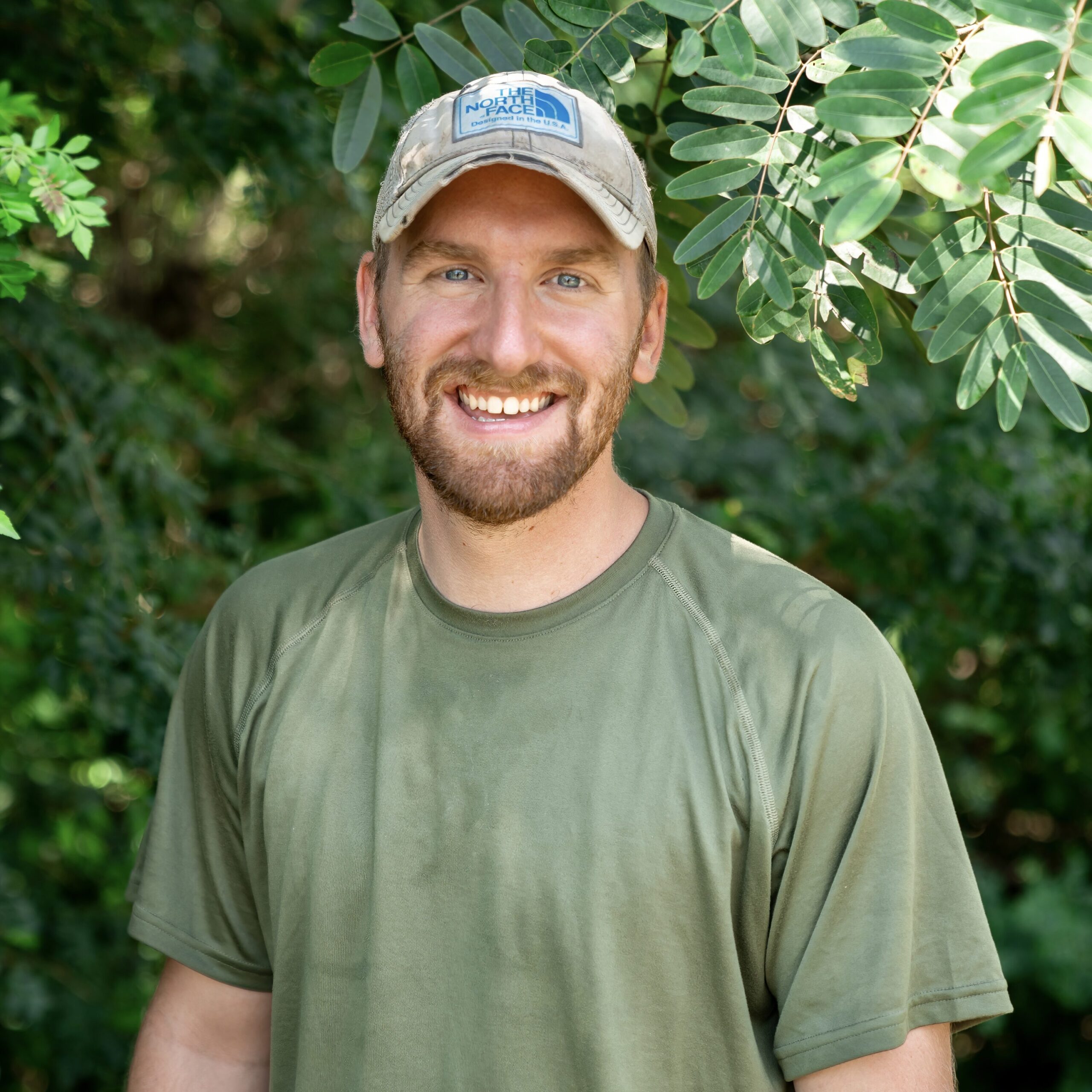
Dylan Feldmeier
PhD student
“WildCRU brings together researchers from all over the world, each with unique expertise and perspectives. The collaborative environment pushes us to think critically and creatively about conservation challenges, making it an inspiring place to work.”

Jess Tacey
PhD student
“I joined WildCRU as a DPhil student in 2023 and I’ve really enjoyed my time so far. Working with students and staff from various areas of conservation science has been valuable for my professional development and has helped me think outside the box.”
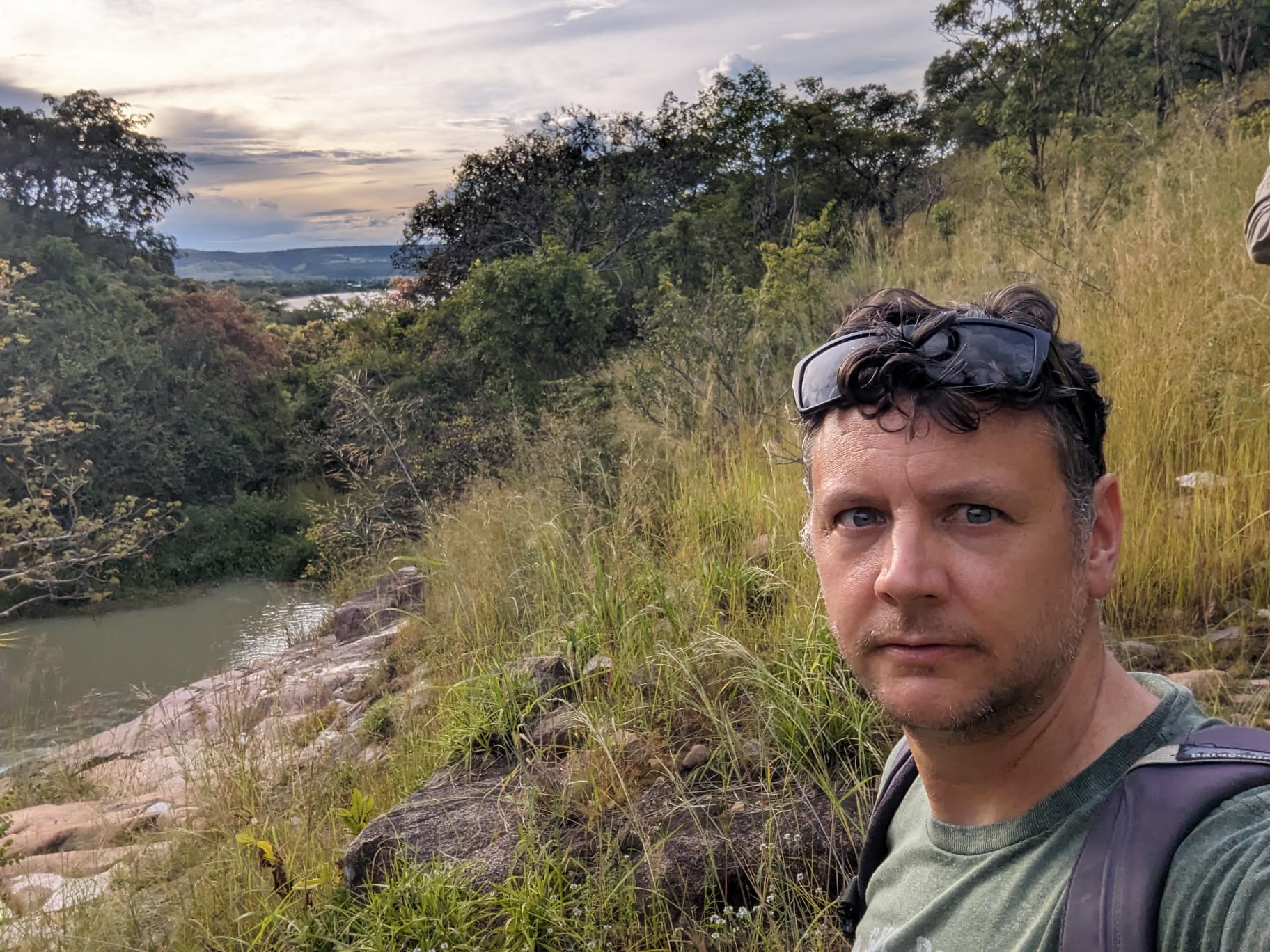
Dr Egil Dröge
Diploma Lead Tutor and Coordinator
“As Lead Tutor and Coordinator in the Recanati-Kaplan Centre Postgraduate Diploma in International Wildlife Conservation Practice it is inspiring to guide young, aspiring conservationists from their arrival at WildCRU, provide them with knowledge, tools and confidence and see them grow as they hone their skills, build their networks and flourish in their professional careers after completing the course.”
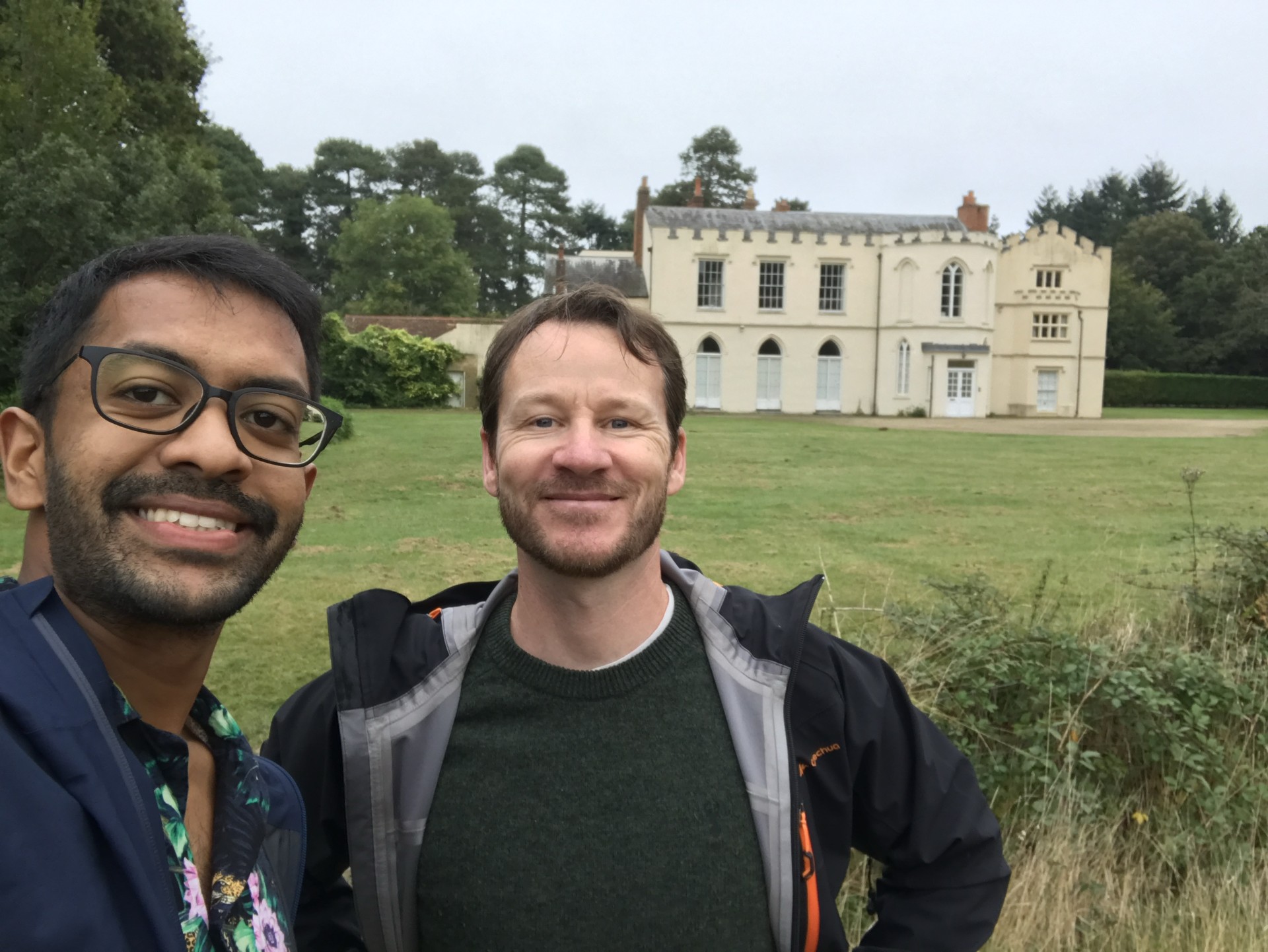
Chrishen Gomez
PhD student
“I remember walking into the tea room on my first day as a student at WildCRU and seeing on the sofa, several of the worlds leading biologist I obsessively read as an undergraduate chatting over a cup of tea.”