Translocations are a widespread and vital tool for species recovery, used to rescue individuals from threats, reintroduce populations to their historic range, expand species’ existing ranges, and facilitate gene flow to reduce extinction risk. Translocations are increasingly used as a conservation tool to conserve declining mammal populations, including of critically endangered black rhino which experience intense poaching pressures across their native range. This research aims to understand the effectiveness of translocations as a conservation tool for black rhino, by focusing on settlement behaviour and the potential for translocations to improve connectivity in a species whose movement is particularly limited by human-made barriers.
CONSERVATION CONTEXT
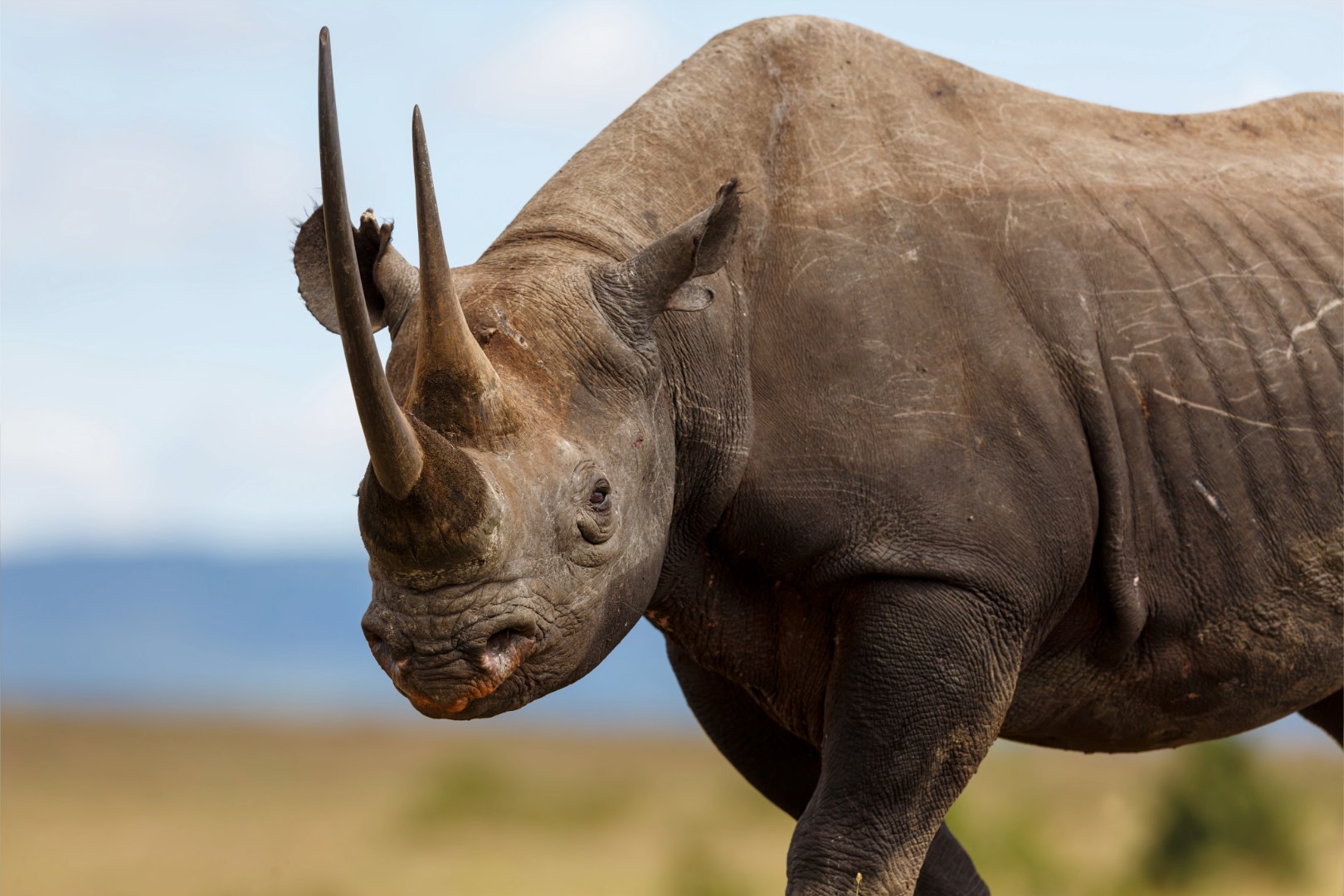
Black rhinos (Diceros bicornis) are a critically endangered species, with a global population under 6,500 individuals. African rhinos live in distinct and isolated populations due to unrelenting poaching pressure, combined with threats from habitat loss and degradation, and intra- and interspecific competition for resources. Anti-poaching measures often restrict rhino movement beyond the boundaries of protected areas. Balancing functional connectivity and protection from poaching is crucial for establishing viable populations, and thus translocations are increasingly part of conservation strategies for black rhinos. It is generally agreed that a “successful” translocation results in the establishment of a self-sustaining viable population, but key questions remain regarding the effectiveness of translocations in promoting long-term and broad scale benefits relative to other approaches.
APPROACH
By utilising in-depth analyses of settlement behaviour, we aim to identify the behavioural factors influencing translocation success and apply that knowledge to make recommendations for best practices to improve translocations and their ability to promote long-term species recovery. Our work also aims to provide a framework in assessing the role of translocations for species whose movement is particularly limited by human-made barriers, using black rhino as a case study.
This project will study rhinos translocated as part of the Kenya Rhino Range Expansion Initiative, that aims to double the number of Kenyan black rhinos by 2037 through expanding populations into their historic range, safeguarding protection and habitat restoration, and building local economic resilience to ensure the sustainability of thriving rhino populations.
PROJECT PARTNERS
This research is conducted in collaboration with the Kenya Rhino Range Expansion Initiative and supported by the Veterinary Conservation Coalition.