
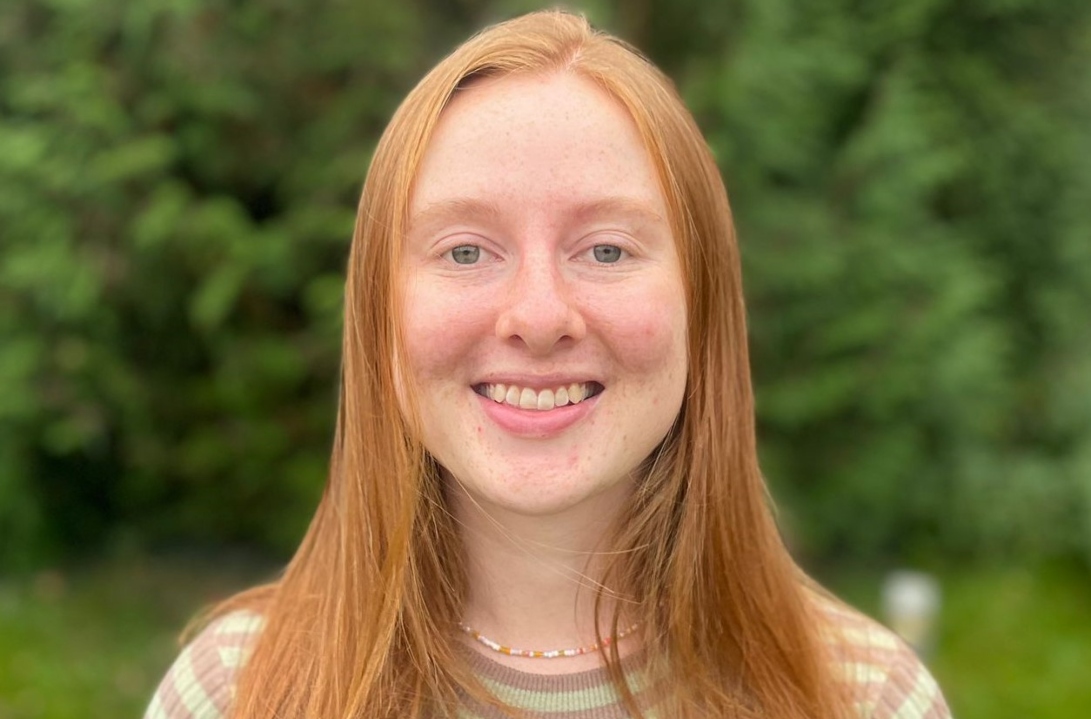
PhD Student
Jessica Frater
she / her
PROFILE
My work focusses on supporting effective, evidenced-based conservation decision-making, particularly in contested or controversial contexts. Central to this is the integration of ecological science with social and behavioural insights, recognising that conservation challenges are often as much about people as they are about ecosystems.
My DPhil research examines sustainable deer management in Scotland, a complex and timely issue at the intersection of ecology, policy, and social psychology, especially as new legislation is being developed. My approach combines ecological modelling with social and evolutionary psychology to better understand the social license of different management interventions, such as culling, in the context of the practical realities of wildlife management on the ground.
In addition to my DPhil, I am the Independent Evaluator for the Common Ground Forum, which explores more collaborative, trust-based approaches to upland deer management in Scotland through civic mediation.
I also work closely with the Gibraltar Macaques Project (Department of Archaeology, University of Cambridge), investigating anthropogenic influences on macaque behavioural ecology, and with Oxford Human-Nature Health (Department of Psychiatry, University of Oxford), which examines how relationships between people and nature can support human mental health, community wellbeing, and healthier environments. Collaborating with policymakers, landowners, wildlife managers, and eNGOs across these projects informs my interdisciplinary approach and focus on navigating the social dimensions of conservation decision-making.
I bring interdisciplinary expertise to my work, spanning psychology, behavioural science, biological anthropology, primatology, biodiversity science and conservation. I hold an MSc in Biodiversity, Conservation and Management (University of Oxford), and an MA (Cantab) in Psychological and Behavioural Sciences (University of Cambridge), where my interest in the human dimensions of conservation first developed.
I am proud and grateful to be supported by the Valerie Mitchell Scholarship.