
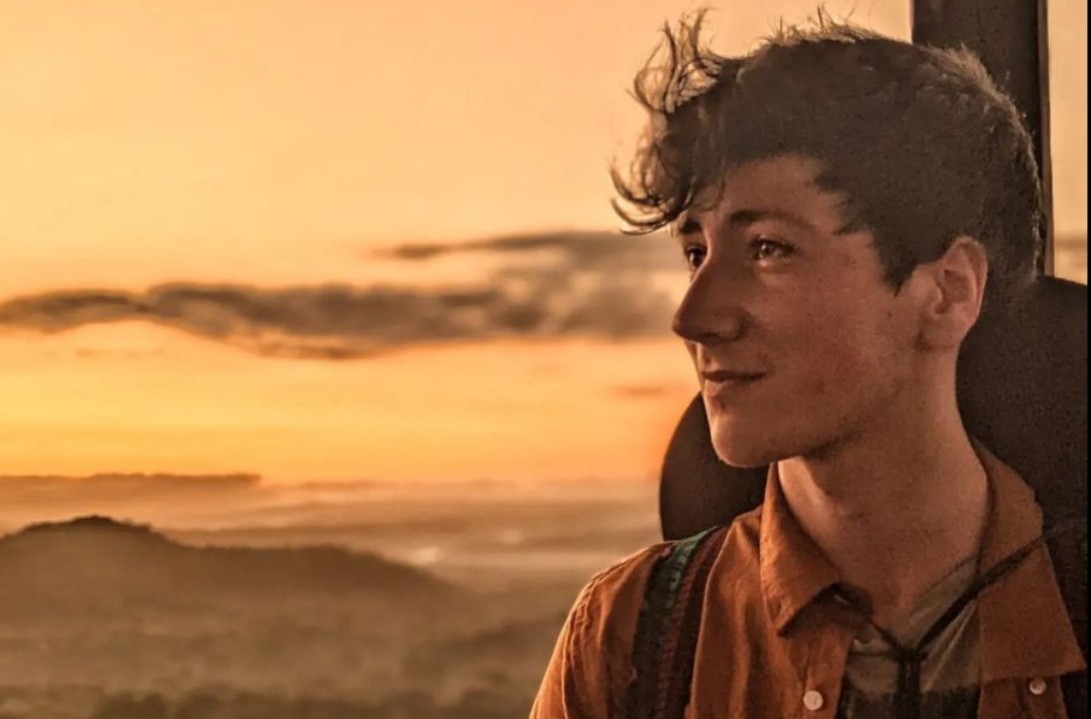
PROFILE
I am a DPhil student supervised by Dr Jorgelina Marino, working in partnership with the Ethiopian Wolf Conservation Programe (EWCP). My research aims to explore the human–wildlife interface in the Afroalpine ecosystem, focusing on constructing and assessing the completeness of alpine food webs. By coupling climate and habitat suitability modelling with population viability analyses, I aim to help inform and target conservation intervention strategies for this charismatic and endangered species.
I am deeply committed to interdisciplinary collaboration, believing it to be essential for effective and equitable conservation. Extinction knows no borders — neither should conservation. I also view nature’s innumerable years of evolutionary innovation as a technology we must learn from — and fast. The loss of a species represents not only the tragic end of a lineage, but the death of untapped potential in fields such as medicine and biomimetics, and undoubtedly diminishes the ability to understand our own place in the world.
My academic background includes a BSc in Zoology and an MRes in Advanced Biological Sciences from the University of Southampton. My research interests span ecological networks and ecosystem services, adaptive physiology and coevolutionary relationships, human–wildlife conflict, and evolutionary developmental biology — themes that underpinned my undergraduate investigation into “Evolutionary Rescue in the Anthropocene.”
For my MRes, I conducted a field research project titled “Palynological Reconstruction of Apoidean Foraging Dynamics in Island Agroecosystems” using pollen microscopy to investigate resource dependencies and map UK-native bee pollinator networks.
Between my degrees, I completed a NERC Research Placement at the University of Cambridge’s Invertebrate Ecology Lab, contributing to the Sustainable Oil Palm Cultivation in West Africa (SOPWA) project. There, I helped streamline canopy visual data analysis and catalogued understory spider morphospecies from Liberia, producing a photographic field guide to connect scientific understanding with local stewardship — an experience I found especially rewarding.
Beyond my academic work, I am a keen beekeeper, kayaker, and caver. I also enjoy exploring the intersection of science and art through wildlife and experimental photography — most recently in a project recognised by the National Biofilm Innovation Centre, which used microbial-driven distortion of photographic film to reflect on cycles of life, death, decay and entropy.”