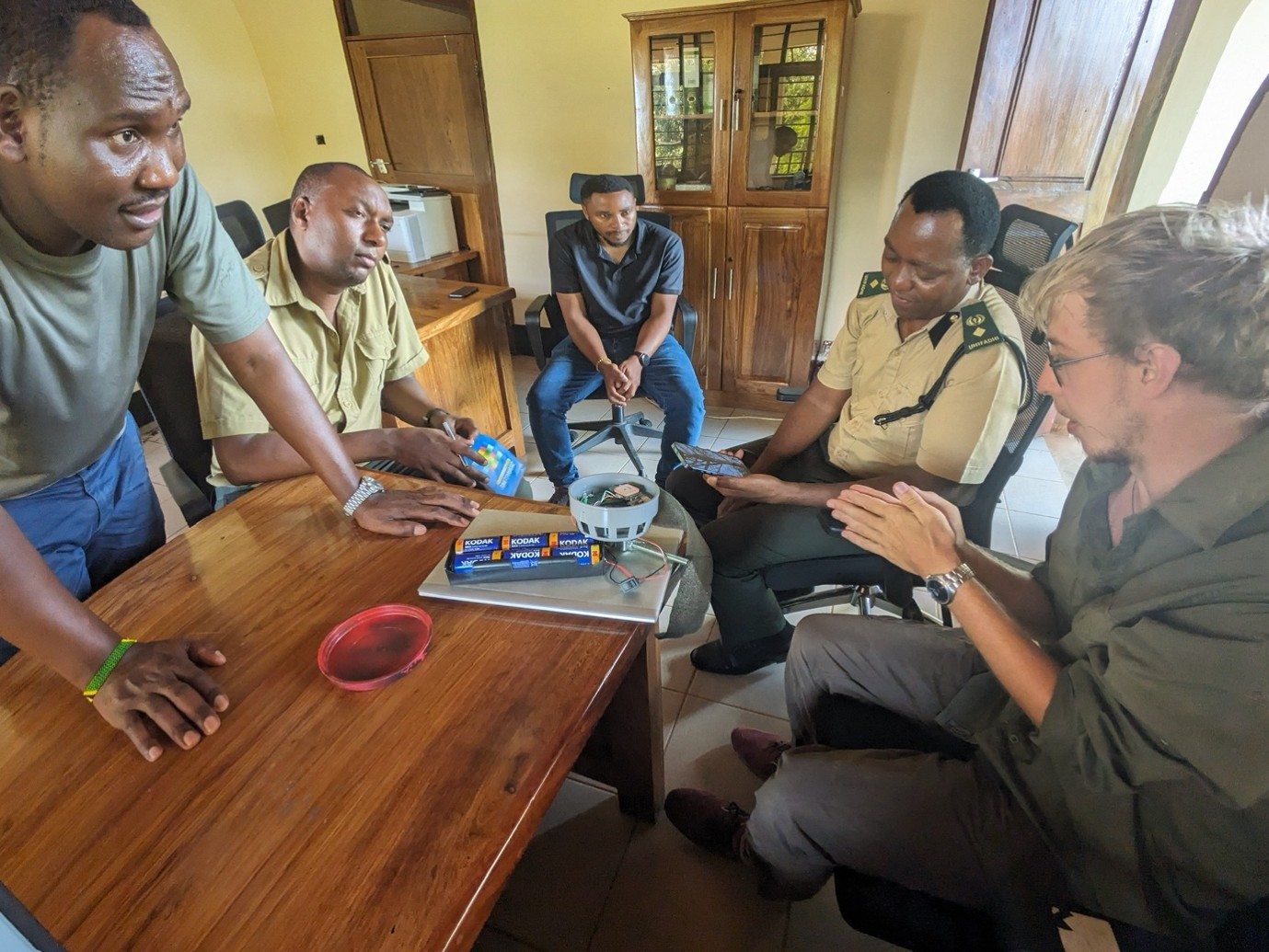
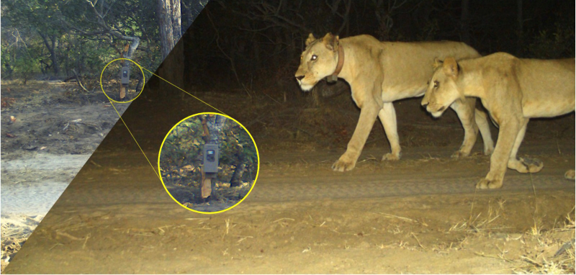
Since 2026, the Technological Innovation for Large Carnivores (TLC) project has focused on using novel and emerging technologies to improve the research of animal behaviour, human-wildlife conflict and ecological monitoring. The project’s objective is to uniquely apply cutting-edge methods to develop new knowledge that can be used to facilitate evidence-based conservation actions.
CONSERVATION CONTEXT
Effective conservation is rooted in data-driven, evidence-based decision making. However, resources for acquiring the necessary information at the required scale are limited, particularly in extensive landscapes with limited accessibility. Therefore, there is a pressing need to optimise data collection through novel technological innovations. By testing innovative technologies alongside current methods, we’ll be able to determine the most effective approaches for different species.
APPROACH
TLC encompasses three major objectives:
1) To improve the use of novel and emerging technologies including the adoption of AI to further our understanding of large carnivore behaviour and ecological monitoring.
2) To initiate locally driven capacity building of conservation technologies.
3) To ensure technology is used in a fair and equitable manner.
IMPACT HIGHLIGHTS
Large-scale media coverage with over 30 million listeners from global radio programmes.
First large-scale passive acoustic monitoring survey for large African carnivores.
PROJECT MEMBERS
Our team is made up of researchers, graduate students and consultants. Dr Matthew Wijers and Dr Jonathan Growcott lead the project and are responsible for the direction of research, delivering on the programme objectives, and supporting other team members and associated collaborators to succeed in the overall project direction. Professor Andrew Markham of the University of Oxford’s Computer Science department is our computational expert.
PROJECT PARTNERS