This project investigates human-elephant conflict (HEC) in the Kunene Region of Namibia, focusing on how individual differences in elephant behaviour can be used to predict which elephants are likely to become involved in conflict over shared resources. The project also explores how different groups of people, from local communities to international members of the public, would like to see this conflict managed. Local perspectives will be assessed with the aim of developing socially acceptable, sustainable mitigation strategies that consider the needs of both people and elephants.
CONSERVATION CONTEXT
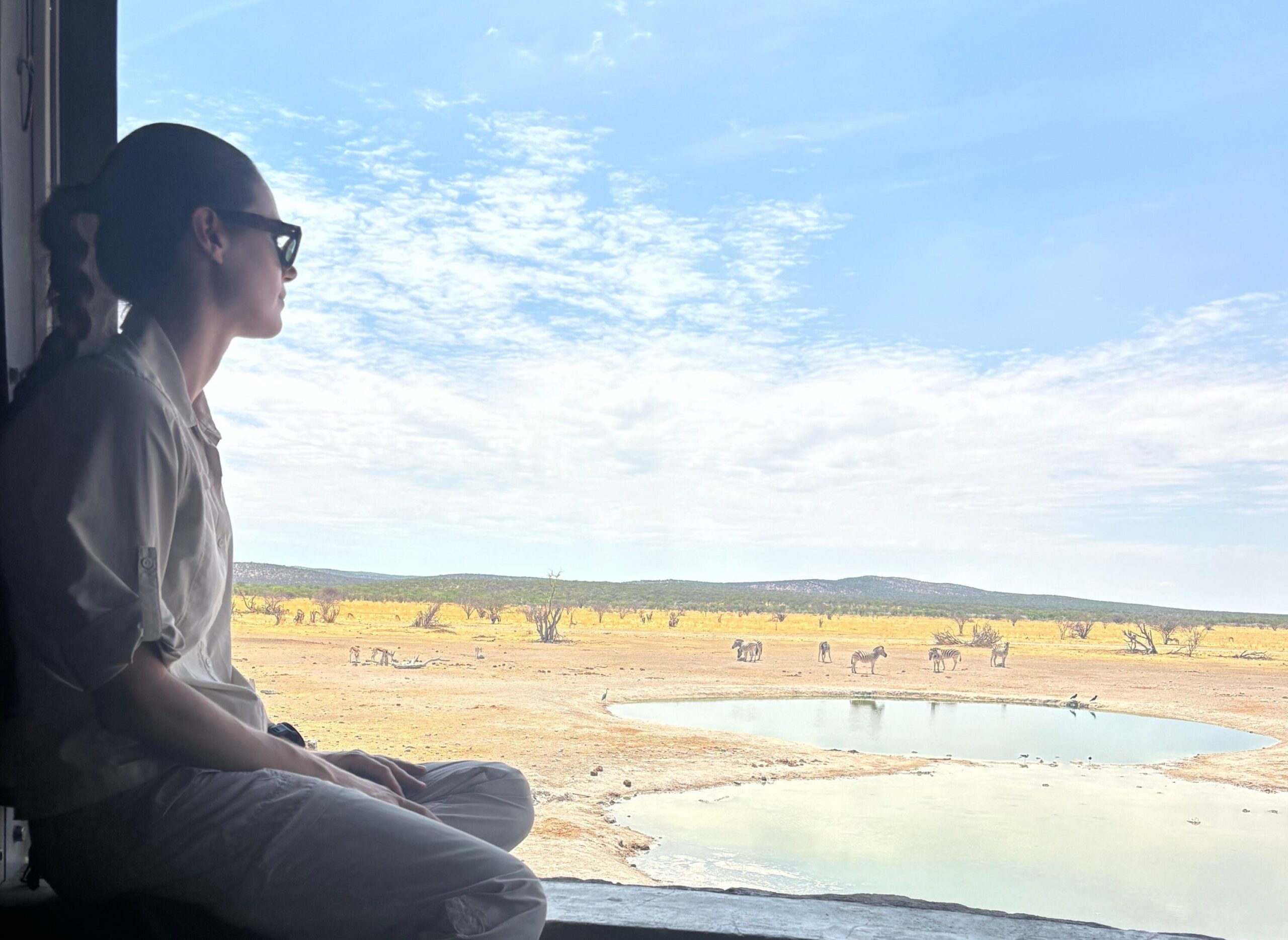
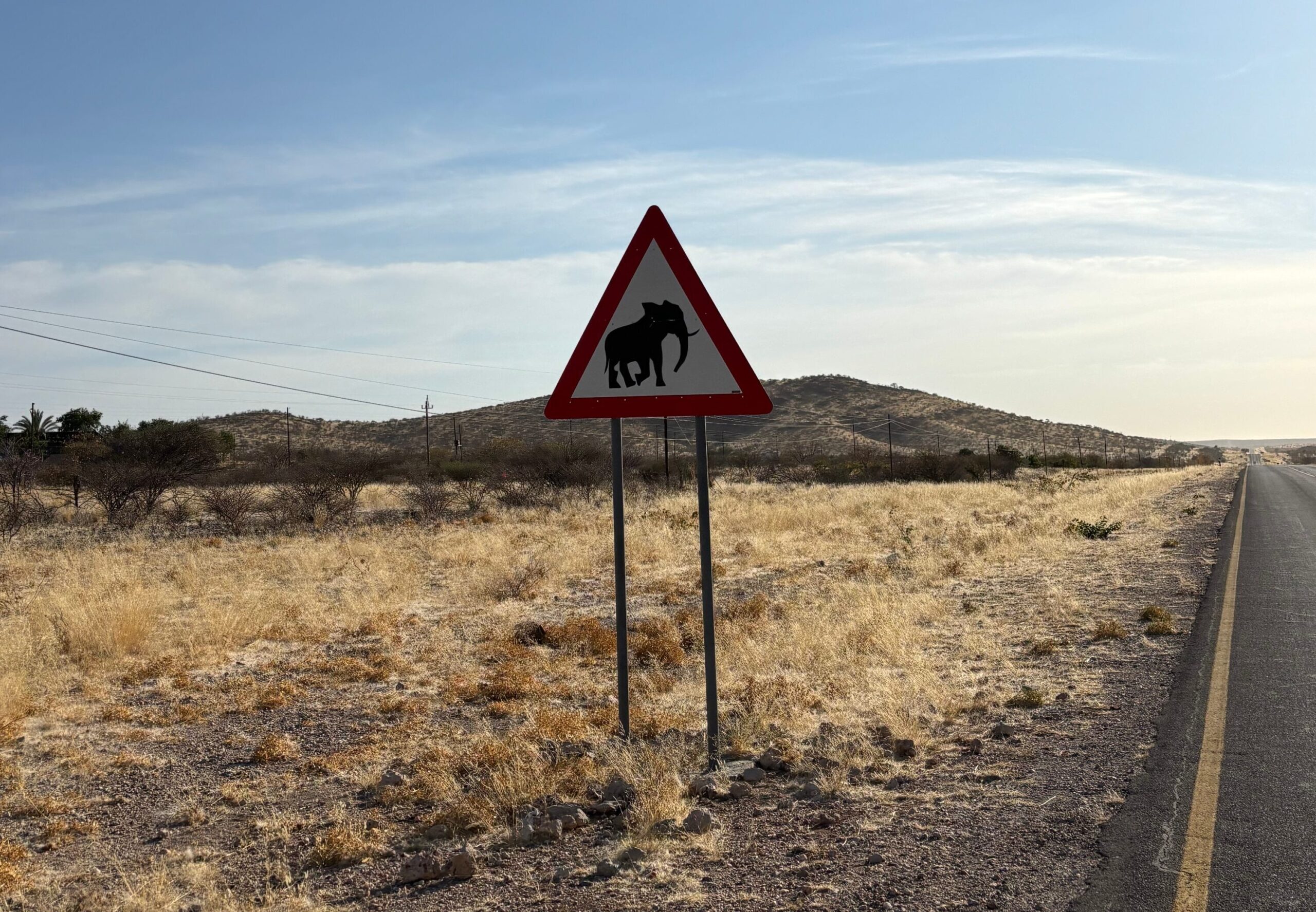
HEC is ongoing in the north-west of Namibia, where prolonged drought and expanding human habitation exacerbate competition for limited resources between African savannah elephants (Loxodonta africana) and humans. When elephants raid crops, damage infrastructure, or search for water, they pose safety risks to local communities and undermine food security. This sometimes leads to retaliatory killings of elephants, which are globally considered an endangered species.
APPROACH
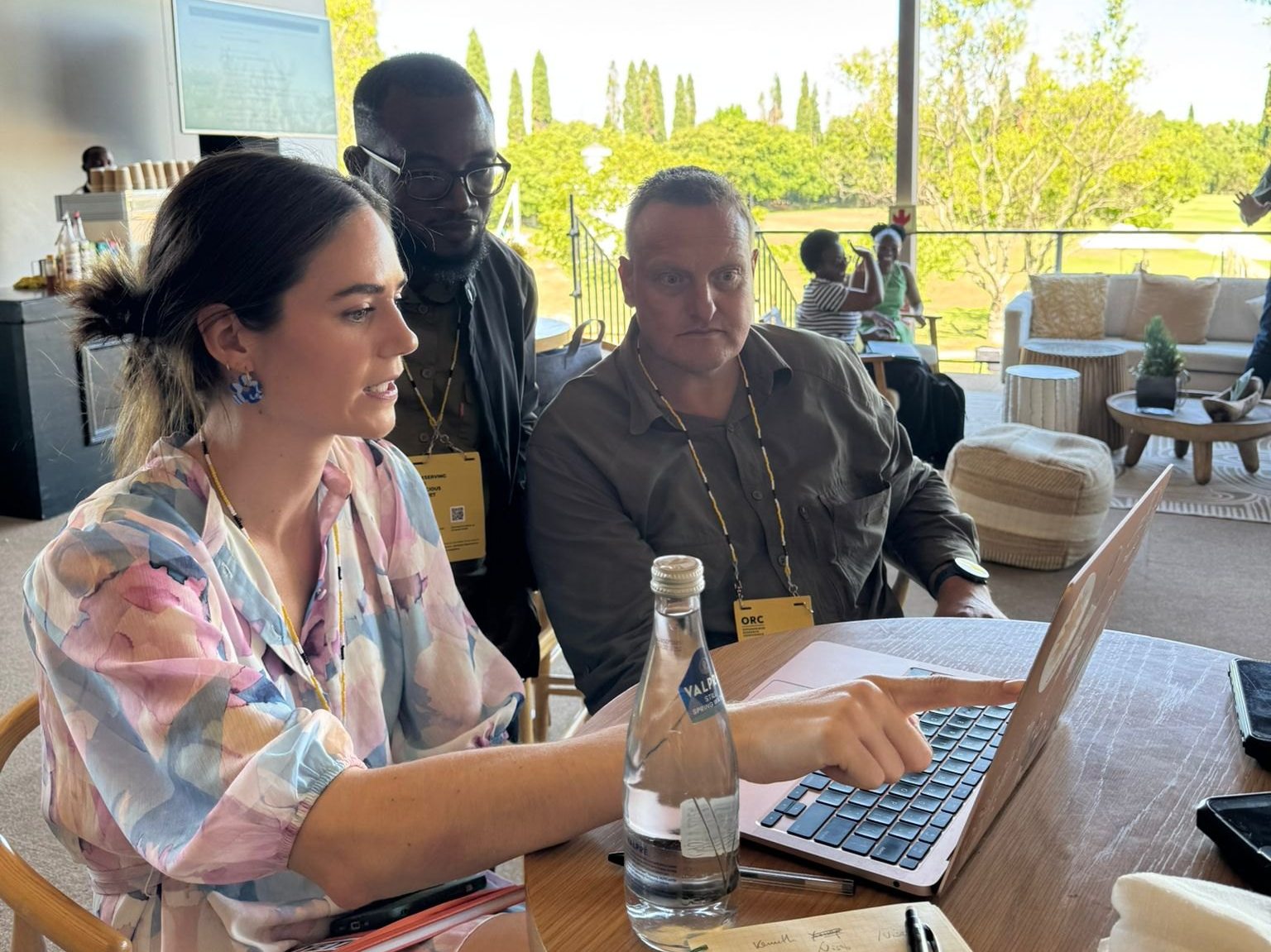
This project aims to investigate HEC from two key angles. Firstly, understanding individual behavioural variation among elephants, which may predispose certain individuals to conflict. This knowledge would enable targeted mitigation strategies aimed at “problem” elephants. Secondly, by exploring local perceptions of existing HEC management, which can include both lethal and non-lethal methods. Knowing what local people prefer ensures that techniques for managing HEC are aligned with community preferences, which is integral to the efficacy and sustainability of these mitigation measures.
PROJECT MEMBERS
Jess Tacey leads this PhD project, supervised by Dr Darragh Hare and Dr Egil Droge.
PROJECT PARTNERS
This research is a collaboration with WildCRU’s Morally Contested Conservation Project and the Namibia Nature Foundation.